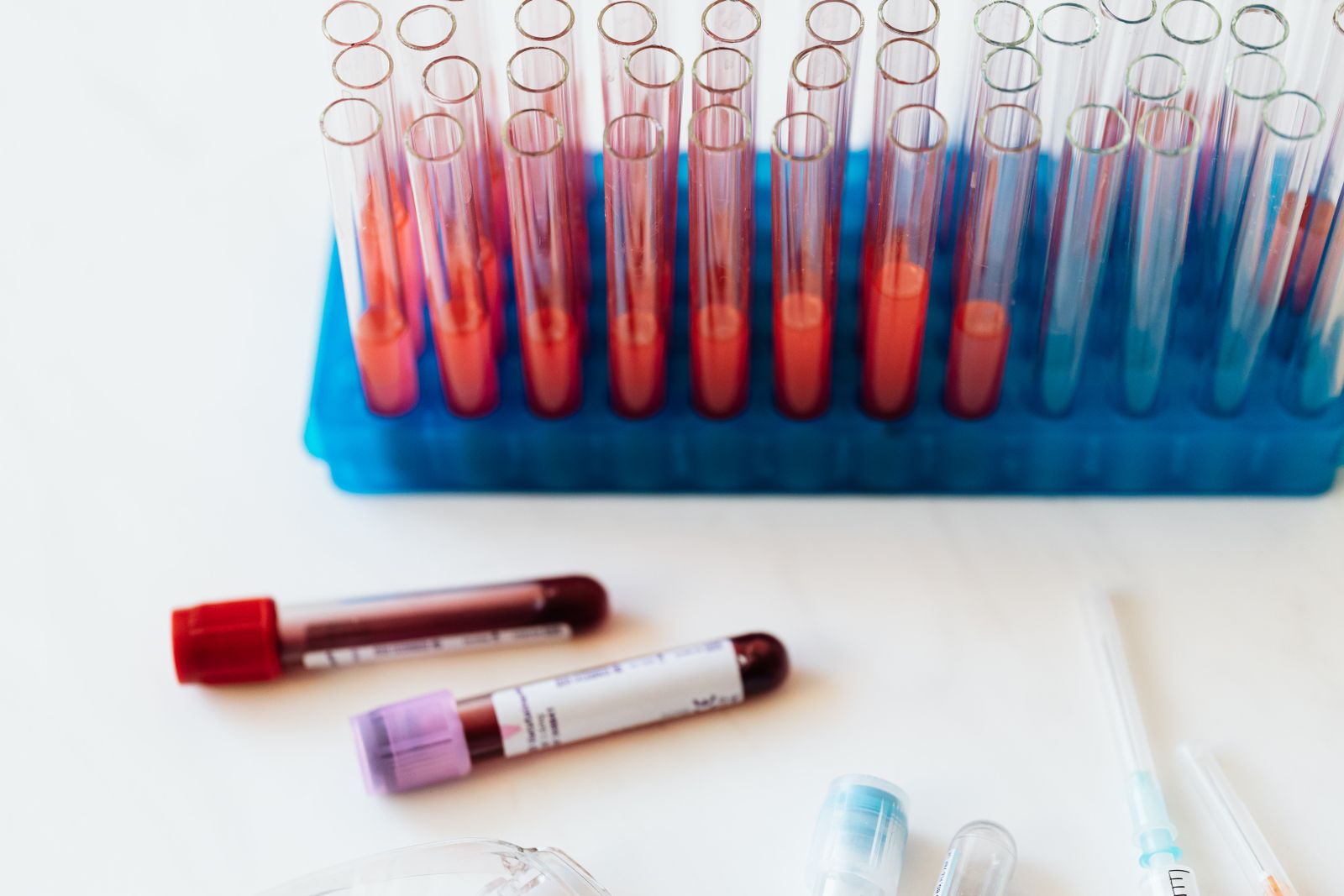
The best longevity blood test is the one you'll act on, run through a trustworthy lab. For a one-time baseline, self-order panels from Quest or Labcorp are reliable and affordable; for ongoing tracking, memberships like Function Health, Superpower or InsideTracker add a dashboard and clinician review. Whatever you choose, prioritise a high-yield core — ApoB, Lp(a), fasting insulin and hs-CRP — over a giant marker count, and check your state allows self-ordering.
The best longevity blood test isn’t the one with the most biomarkers — it’s the one you’ll repeat, interpret correctly, and act on, run through a lab you can trust. A 100-marker panel you read once and forget does less for you than four numbers you track and actually move.
This guide sorts the 2026 options by how you want to use them, names the high-yield biomarkers worth prioritising, and flags the state laws and reference-range traps that trip people up. It’s educational, not medical advice — your results belong in a conversation with a clinician who knows your history.
Which testing path fits you?
The services split cleanly by how you want to test. Pick your situation and start there.
How do you want to test?
Tap the option that sounds like you. We'll point you at the right kind of service — and the honest catch.
Pick an option above
Your recommended path appears here, with what to watch for.
General guidance, not a medical recommendation. Availability varies by state — see the restriction note below.
The services worth your money
All of these run through CLIA-certified labs. They differ in whether you’re buying a one-time snapshot or a longitudinal tracking relationship.
Where to actually test
The self-order arm of Quest Diagnostics. The Elite Health Profile covers 85+ markers including ApoB, full thyroid and insulin. No membership; draw at a Quest centre.
Labcorp's consumer arm. À la carte and bundled panels, including a heart-health test with ApoB. Lowest cost of entry for targeted cardiovascular or metabolic checks.
160+ tests a year across two scheduled draws, clinician review of every result, and personalised follow-ups. The benchmark "test broadly, track yearly" membership. Not available in NY or NJ.
100+ biomarkers, a slick app with an AI layer, and a retest after you act. The most affordable way into longitudinal tracking. Pricing differs for NY/NJ members.
One of the originals, founded by MIT and Tufts scientists. ~48 biomarkers, an "InnerAge" biological-age estimate, and nutrition/lifestyle action plans. Strong for quantified-self optimisers.
At-home collection with an "EasyDraw" upper-arm device — no draw centre, no fingerprick. Up to 62 markers, designed for frequent re-testing. Note the usual at-home sample caveats.
A direct-pay telehealth clinic pairing a coach and licensed prescriber for hormone, metabolic and performance optimisation. Order panels standalone or as part of a guided program; a clinician order also bypasses state self-order limits.
Links go to official pages. AMORTAL has no affiliate relationship with these services — prices are mid-2026 ballparks and shift with promotions.
Side by side
| Service | Type | Order model | Price (2026) | Markers | Tracking | NY/NJ |
|---|---|---|---|---|---|---|
| Quest Health | National lab | Self-order | $220–$449 | 85+ | One-time | Restricted |
| Labcorp OnDemand | National lab | Self-order | $135–$651 | à la carte | One-time | Restricted |
| Function Health | Membership | Self-order | $499/yr | 160+ | 2×/yr | Not available |
| Superpower | Membership | Self-order | ~$199/yr | 100+ | 1×/yr + retest | Higher price |
| InsideTracker | Membership | Self-order | $149–$489 | ~48 | 1–4×/yr | Via at-home draw |
| SiPhox Health | At-home | Self-order kit | ~$124/yr | up to 62 | Monthly–biannual | Check at order |
| Marek Health | Clinician | Physician-ordered | $250–$2,000+ | Configurable | Physician-driven | Clinician order works |
The biomarkers actually worth testing
A giant panel impresses; a focused one changes decisions. Tick the high-yield core you’d want on your next draw — the count matters far less than choosing the right few.
Your high-yield shortlist
These are the markers with the most decision-changing value. Nothing is saved — it's a thinking tool to take to a clinician.
The four-marker core covers most of the early-warning value. Build out from here.
Not a prescription. Which markers matter for you depends on your age, history and goals — confirm with a clinician. New to reading results? Start with how to make sense of your bloodwork.
For the full picture of what each marker means and the optimal-versus-normal ranges, see our deep dives on the biomarkers that matter for men and for women, and what to do about a high ApoB result. Want a printable order list for your draw? Grab the longevity blood panel checklist.
One thing to check before you order: your state
Direct-access (self-order) testing is restricted or prohibited in New York, New Jersey and Rhode Island, and variably in a few others. In practice, Quest’s self-order is blocked in those states, Function Health doesn’t operate in NY or NJ, and Superpower charges NY/NJ members a higher rate. If you live there, the clean workaround is a clinician-ordered panel through a telehealth service or longevity clinic.
How often to test — and the traps to avoid
Test a full baseline once, then default to annual for a healthy adult. Move to every three to six months only when you’re actively changing a marker — lowering ApoB on a new plan, optimising a hormone, rechecking a flagged result — and stop the frequent re-testing once it stabilises. Some markers barely move: Lp(a) is genetic, so test it once.
Three traps catch people. Over-testing a stable, healthy body just generates noise, cost and anxiety. Marker count is not value — a focused core beats a 150-marker panel where most numbers change no decision. And “normal” is not “optimal”: a normal flag means you’re inside the population range, not that you’re where a longevity-minded clinician would want you. Also mind fasting — triglycerides, glucose and insulin need a true 8–12 hour fast to read correctly.
A note on safety
This is educational, not medical advice. A blood test can’t be interpreted in isolation — a single out-of-range value should be repeated and read in the context of your history, medications and symptoms before anyone acts on it. Share your results with a licensed clinician.
The genuinely hard part isn’t ordering the test — it’s knowing which of fifty numbers matters this quarter and what to do about it. That’s what AMORTAL is built for: it reads your labs and wearables together and returns one safe, cited next action — including when the right move is to wait and retest. See how it works.
Educational only — this is not medical advice or a diagnosis. Talk to a licensed clinician about your own numbers, targets, and any treatment decisions.
Frequently asked
What is the best blood test for longevity in 2026?
There's no single winner — it depends on whether you want a one-time baseline or ongoing tracking. For a trusted, affordable baseline, self-order panels from Quest Health or Labcorp OnDemand are excellent. For longitudinal tracking with a dashboard and clinician review, memberships like Function Health ($499/yr), Superpower (~$199/yr) or InsideTracker work well. The best test is the comprehensive one you'll actually repeat and act on.
Which biomarkers matter most for longevity?
A small high-yield core does most of the work: ApoB (the best single marker of cardiovascular risk), Lp(a) (a largely genetic risk amplifier you test once), fasting insulin (the earliest warning of insulin resistance), and hs-CRP (systemic inflammation). Add a lipid panel, HbA1c, ferritin, vitamin D, ALT, eGFR and thyroid for a well-rounded picture. Marker count matters far less than testing the right few.
Can I order my own blood tests without a doctor?
In most US states, yes — services like Quest Health, Labcorp OnDemand, Function and Superpower use a partner physician network to sign off on self-ordered tests. But direct-access testing is restricted in New York, New Jersey and Rhode Island (and variably a few other states). Residents there usually need a clinician's order, which a telehealth service or longevity clinic can provide.
How often should I get longevity blood work done?
Establish a full baseline once, then for a healthy adult who isn't actively intervening, an annual comprehensive panel is a sensible default. Test every three to six months only when you're actively moving a marker — lowering ApoB, optimising a hormone, or rechecking a flagged result — until it stabilises. Lp(a) is genetic and effectively a one-and-done test.
Why is the 'normal' range on my lab report not the same as optimal?
A 'normal' flag means your value sits within the population distribution of people who got tested — not that it's ideal. Ferritin can read 'normal' at 18 ng/mL when many clinicians target 50+; HbA1c can read 'normal' at 5.6% when optimal is often below 5.4%. The gap between normal and optimal is where most of the longevity value — and a lot of upselling — lives, so interpret ranges with that in mind.