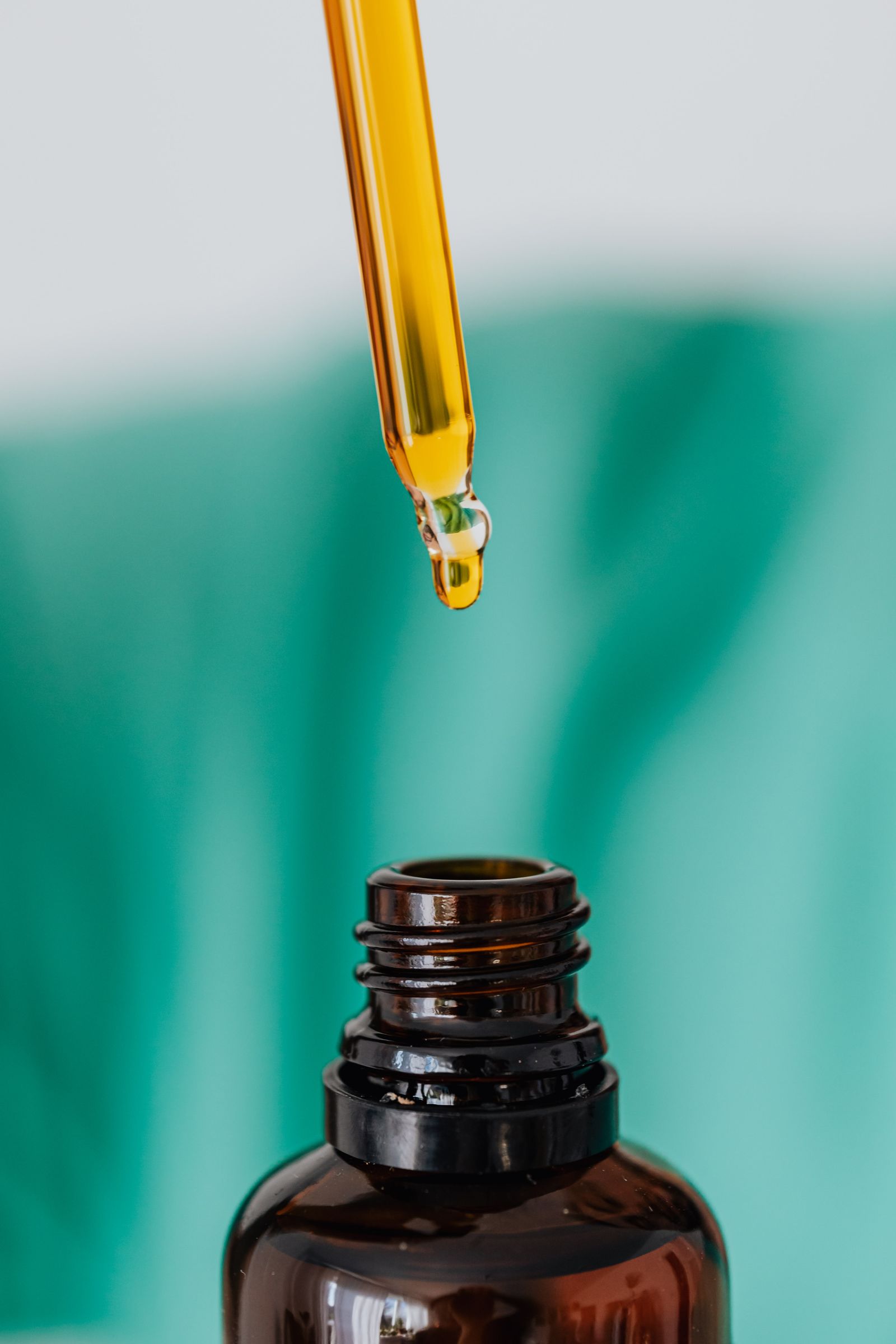
Peptides are one of the most hyped — and most misunderstood — corners of longevity. The honest 2026 picture: a few are genuinely FDA-approved (the GLP-1 drugs, tesamorelin), retatrutide is promising but still investigational and not approved, and popular 'research' peptides like BPC-157 and GHK-Cu remain unapproved with mostly animal or thin human data. The single biggest safety decision isn't which peptide — it's refusing gray-market 'research-use-only' sourcing and working only with a licensed prescriber. This is educational, not medical advice.
Peptides are where longevity hype runs furthest ahead of the evidence. Online you’ll find confident protocols for compounds that have never completed a human trial, sold by vendors who hide behind a “research use only” label. So the most useful thing this guide can do is reframe the question. The decision that protects you isn’t which peptide — it’s how you’d ever obtain one, and whether a licensed clinician is in the loop.
This is educational, not medical advice, and it contains no dosing protocols. What it does contain is an honest map of what’s real, what’s approved, and how to avoid the genuinely dangerous part of this world.
The four ways a peptide reaches a body
Almost every mistake in peptide content comes from blurring these four channels. Only the first two are legitimate medicine.
- FDA-approved drug — passed full review for a specific use, made under strict manufacturing standards. The gold standard.
- Compounded by a licensed pharmacy — made to order only when the substance legally qualifies, tied to your prescription, under a real prescriber.
- Investigational — unapproved, given to humans only inside an authorised clinical trial. Not something you can buy.
- Gray-market “research use only / not for human consumption” — sold online with a disclaimer to dodge drug law. No manufacturing standards, no sterility, no testing. Not a legal medical channel — and the source of nearly all the harm.
A note on the 2026 regulatory churn, because it’s widely misreported: in April 2026 the FDA removed a dozen popular peptides (including BPC-157, GHK-Cu, TB-500 and MOTS-c) from its “do-not-compound” list — but it did so because the nominations supporting their listing were withdrawn, not because they were approved or judged safe. The FDA explicitly stated this does not make them eligible for compounding, and an advisory committee was scheduled to review several in July 2026. The accurate read in mid-2026: not approved, no clear lawful compounding pathway, decision pending — not “now legal.”
Is this a legitimate source?
Before you act on anything you’ve read about peptides, run the source through this gate. These are the conditions of a safe, supervised path — every box needs to be true. A single gap is a stop sign.
Should you trust this source?
Tick only what's genuinely true about how you'd be getting this. Be strict with yourself.
Tick what's true above
Your verdict appears here. Spoiler: anything less than all five is a stop.
A safety tool, not medical advice. It will never tell you to proceed — only whether the basic conditions for a legitimate, supervised path are met.
Evidence vs hype: where each peptide actually stands
Popularity online tells you nothing about evidence or legality. Open each to see the honest status as of mid-2026. None of this is a recommendation to use any of them.
The status of the headline peptides
FDA-approvedGLP-1 drugs — semaglutide & tirzepatide
The real, approved success story. Semaglutide (Ozempic, Wegovy, Rybelsus) and tirzepatide (Mounjaro, Zepbound) are FDA-approved for type 2 diabetes and weight management, backed by large randomised trials; tirzepatide is also approved for obstructive sleep apnea. If you want a peptide with genuine evidence and a legitimate path, this is it — through a licensed clinician.
InvestigationalRetatrutide
Eli Lilly's once-weekly triple agonist (GIP / GLP-1 / glucagon). Phase 3 results in 2026 showed substantial weight loss, and it's one of the most promising compounds in the pipeline — but it is not FDA-approved and available only through clinical trials. Any "available now" offer is gray-market, and any firm approval date is speculation.
Approved — narrow useTesamorelin (Egrifta)
A genuinely FDA-approved peptide — but only for reducing excess visceral fat in HIV-associated lipodystrophy. There is no approval for general "longevity" or non-HIV use. A good example of how a legitimate peptide is approved for a specific indication, not a vibe.
Animal data mostlyBPC-157
Claimed tissue-healing effects rest overwhelmingly on rodent studies; a 2025 review called it investigational, and the first human efficacy trials only began recruiting in 2026. Not FDA-approved. Removed from the FDA's do-not-compound list in April 2026 on procedural grounds, with an advisory review pending in July 2026 — that is not approval or a green light. Prohibited in sport by WADA.
Thin human dataGHK-Cu (copper peptide)
A naturally occurring copper-binding peptide. Topical use has some small human skin studies and is sold as a cosmetic ingredient. Injectable/systemic GHK-Cu has essentially no human trials and is not an approved drug. The two are not interchangeable, and the injectable route carries the gray-market risks below.
Not approvedSermorelin, ipamorelin, CJC-1295
Growth-hormone secretagogues with thin anti-aging evidence. Sermorelin was once FDA-approved (as GEREF) and withdrawn for commercial reasons; it's described as still compoundable. Ipamorelin and CJC-1295 were never approved and were rejected by the FDA's advisory committee in late 2024 — there's no clear approved compounding pathway for them.
Weak / not approvedTB-500, thymosin peptides
TB-500 (thymosin beta-4) has no completed human trial supporting athletic recovery use and is WADA-prohibited; not approved. Thymosin alpha-1 has more evidence and is approved in 30+ countries (as ZADAXIN) for immune uses, but is not FDA-approved in the US and was rejected by the advisory committee in 2024.
Marketing term"NAD+ peptides," MOTS-c, epitalon
"NAD+ peptide" is a misnomer — NAD+ is a coenzyme, not a peptide. MOTS-c and epitalon are real peptides but rest on mostly animal data with very thin human evidence; neither is approved, and both faced advisory review in 2026. File under "interesting, unproven."
Status as of mid-2026 and subject to change — regulatory decisions were pending. Educational only; not a recommendation to use any compound, approved or not.
The legitimate frontier — and how to explore it safely
The honest excitement in this space is mostly the approved GLP-1 drugs, where the evidence is real and a clinician can prescribe and monitor. If you’re curious about peptides, that’s where to start a conversation — with a licensed professional, grounded in your own labs.
These are channels where a real clinician is in the loop. They link to official services; AMORTAL has no affiliate relationship with any of them.
Where to start, with a professional
Eli Lilly's official platform connects you to independent licensed telehealth providers and dispenses FDA-approved Lilly medications. A manufacturer-direct, clinician-gated route to approved drugs.
A telehealth service with licensed clinicians that prescribes FDA-approved GLP-1 medications when appropriate, with follow-up care built in.
National telehealth with licensed providers and a direct manufacturer partnership for approved weight-management medication.
A physician-supervised clinic that orders labs, evaluates you, and dispenses peptides only as compounded prescriptions from licensed pharmacies under clinician oversight — the legitimate version of what gray-market vendors imitate.
Board-certified clinician-led telehealth with at-home blood draws and quarterly consults; can prescribe where appropriate, grounded in your labs.
Before trusting any claim, check the source: the FDA's pages on compounding and on medications containing semaglutide explain what's approved and what isn't.
Begin with [clinician-reviewed labs](/guides/best-longevity-lab-tests) so any conversation about peptides starts from your actual data, not a marketing claim.
Why gray-market sourcing is the real danger
This is the part the protocols never mention. The “research use only” label isn’t a technicality — it’s the absence of every safeguard that makes a medicine a medicine:
- Purity is often a fiction. A peer-reviewed 2024 study ordered semaglutide from illegal online pharmacies; some were outright scams, and the products that arrived measured a fraction of their claimed purity, with the wrong drug content and detectable endotoxin contamination.
- The label is a legal dodge, and regulators know it. The FDA issued a fresh round of warning letters to online peptide sellers in 2026, stating plainly that “research use only” doesn’t change the fact the products are intended as unapproved drugs for human use.
- Counterfeits reach even brand-name supply. The FDA has warned about counterfeit GLP-1 pens — including ones containing a different drug entirely and non-sterile needles.
- Self-dosing causes overdoses. The FDA has documented people taking ten to twenty times the intended dose of compounded injectables by miscalculating units from powder — some requiring hospitalisation.
- No one is watching for harm. A real prescriber screens for contraindications, interactions and red-flag symptoms. A vendor screens for your credit card.
A serious note on safety
This article is educational and is not medical advice, a recommendation, or a protocol. It cannot tell you whether any peptide is safe or appropriate for you — only a licensed clinician who knows your full history and medications can. Many of the compounds discussed here are unapproved, some are prohibited in sport, and several have little or no human safety data.
If you take one thing away: the danger in this world is rarely the molecule in the abstract — it’s the unregulated supply chain and the absence of a doctor. Start with your labs and a real clinician. Deciding what’s worth doing, what’s hype, and when the safest move is to do nothing is exactly what AMORTAL is built for — it turns your data into one safe, cited next action. See how it works.
Educational only — this is not medical advice or a diagnosis. Talk to a licensed clinician about your own numbers, targets, and any treatment decisions.
Frequently asked
Are peptides like BPC-157 and retatrutide legal in 2026?
It's nuanced. Retatrutide is investigational — not FDA-approved and available only through clinical trials. BPC-157 is not FDA-approved either; the FDA removed it from its 'do-not-compound' list in April 2026 on procedural grounds (a nomination was withdrawn), but that is not legalisation, and an advisory committee was scheduled to review it in July 2026. As of mid-2026 it has no approved use and no clear lawful compounding pathway. Products sold online as 'research use only' are not a legal medical channel.
Which peptides are actually FDA-approved?
The clearest examples are the GLP-1 class — semaglutide (Ozempic, Wegovy, Rybelsus) and tirzepatide (Mounjaro, Zepbound) — which are approved for diabetes and weight management, with tirzepatide also approved for obstructive sleep apnea. Tesamorelin (Egrifta) is an approved peptide too, but only for HIV-associated lipodystrophy. Many popular 'longevity peptides' are not approved for any use.
Is it safe to buy peptides online without a prescription?
No. Products labelled 'research use only' or 'not for human consumption' exist specifically to dodge drug-quality law, which means no manufacturing standards, no sterility assurance, and no identity or potency testing. A peer-reviewed 2024 analysis of illegal online semaglutide found products at a fraction of their claimed purity, with the wrong dose and detectable contaminants. The FDA issued fresh warning letters to peptide sellers in 2026. Work only through a licensed prescriber and pharmacy.
What is retatrutide and is it available yet?
Retatrutide is an investigational once-weekly injectable from Eli Lilly that activates three receptors (GIP, GLP-1 and glucagon). Phase 3 results announced in 2026 showed substantial weight loss, but as of mid-2026 it is not FDA-approved and is available only through clinical trials — not by prescription. Any specific approval date is analyst speculation, not confirmed.
How do I access peptides safely if I'm curious?
Start with a licensed clinician — a physician-led telehealth service or longevity clinic — who can evaluate you, order labs, and prescribe an approved medication or a properly compounded one from a licensed pharmacy, with monitoring. For approved GLP-1 drugs, manufacturer and telehealth channels with real clinicians exist. Never reconstitute powder and self-dose from an unregulated vendor.